31 Dec 2025
This year brought an eclectic mix of reads spanning business strategy, espionage, hospitality, AI, negotiation, psychology, and tech history. Here are the books that made the biggest impact on me in 2025.
Top Picks (5/5)
The Goal - Book of the Year
By: Eliyahu M. Goldratt, Jeff Cox
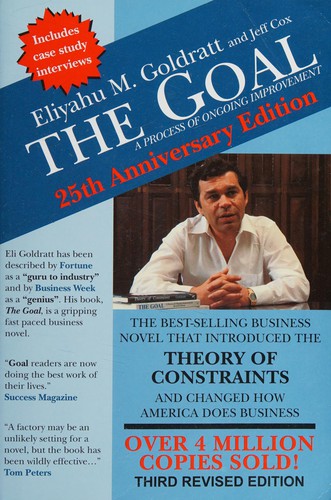
Why It’s Useful: A timeless business novel that introduces the Theory of Constraints through a compelling story about a manufacturing plant manager racing to save his factory. Essential reading for anyone in operations, management, or anyone who wants to understand bottlenecks and optimize processes.
Personal Insight: This book completely changed how I think about productivity and efficiency. The concept that optimizing individual components doesn’t optimize the whole system was a revelation. I’ve started applying the Theory of Constraints to software development—identifying the bottleneck in our delivery pipeline and focusing all improvement efforts there instead of trying to optimize everything at once. The narrative format made complex operations concepts accessible and memorable. I found myself thinking about Alex Rogo’s factory problems while solving my own engineering challenges.
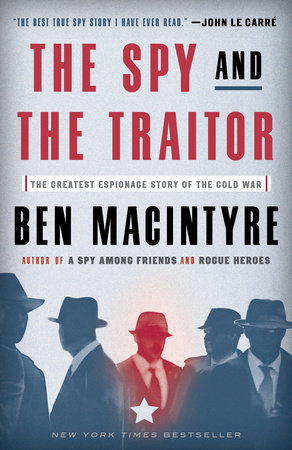
The Spy and the Traitor - Best Non-Fiction
By: Ben Macintyre
 Read More
27 Dec 2025
Graph databases have become increasingly popular for modeling complex relationships in data. But what if you could leverage graph capabilities within the familiar PostgreSQL environment you already know and love? In this article, I’ll explore how PostgreSQL can serve as a graph database using the Apache AGE extension, demonstrated through a fun use case: analyzing social connections in the craft beer community using Untappd data.
This article is based on my presentation at PgConf.EU 2025 in Riga, Latvia. Special thanks to Pavlo Golub, my co-founder of the PostgreSQL Ukraine community, whose Untappd account served as the perfect example for this demonstration.
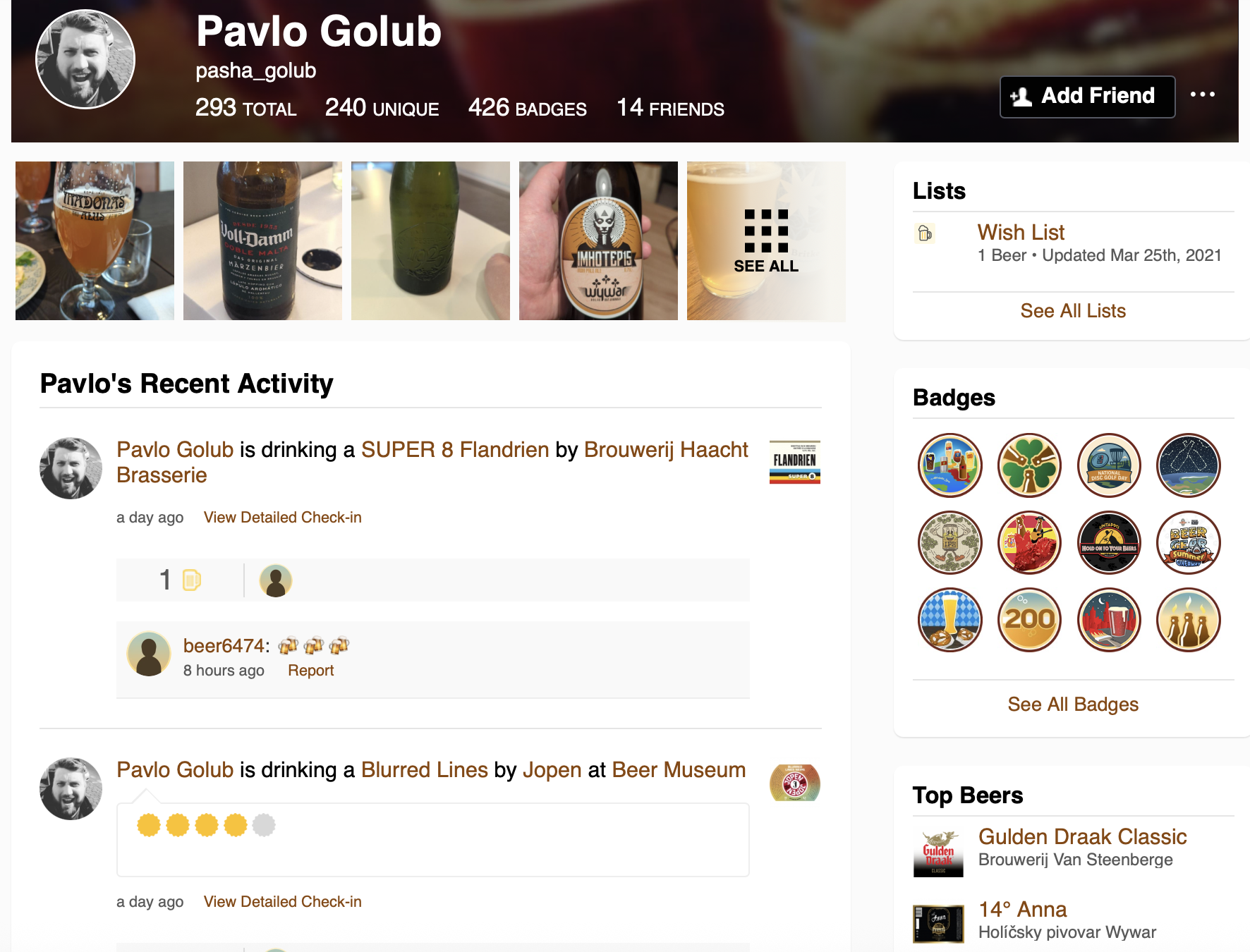 Pavlo Golub’s Untappd profile - the starting point for our graph analysis
Why Graph Databases?
Traditional relational databases excel at storing structured data in tables, but they can struggle when dealing with highly interconnected data. Consider a social network where you want to find the shortest path between two users through their mutual connections—this requires recursive queries with CTEs, joining multiple tables, and becomes increasingly complex as the depth of relationships grows.
You might say: “But I can do this with relational tables!” And yes, you would be right...
Read More
20 Jul 2024
The Microsoft Certified: Fabric Analytics Engineer Associate certification validates your ability to design, implement, and manage data analytics solutions using Microsoft Fabric. It covers areas such as data engineering, data modeling, performance optimization, and data warehousing, making it ideal for professionals seeking to demonstrate their expertise in enterprise-scale analytics solutions.
Recommended Path to Prepare in a Short Term
-
Watch the Video

- Complete the Labs
- Review Documentation
Data Engineering
Data Modeling and Analysis
Data Warehousing and Management
03 Mar 2024
Geoanalytics is crucial in military affairs, as a significant portion of military data contains geoattributes. In this article, I will discuss how to use PostgreSQL to process geospatial data and address common geoanalytical tasks. The information will cover methods for finding the nearest objects, distance calculations, and using geospatial indexes to enhance these processes. We will also explore techniques for determining a point within a polygon and geospatial aggregation. The goal of this article is to provide practical examples and tips to enhance working with geospatial data and contribute to the development of new solutions.
The materials and data used in the article are open-source and have been approved by the military representatives.
First data source: how to import russian military polygon data into PostgreSQL
I will need certain datasets to initiate the analysis and showcase PostgreSQL's capabilities in geoanalytics. I decided to start with data on russian military facilities available on OpenStreetMap (OSM). The first step is to load this data into PostgreSQL, after which we can use tools to optimize queries and enhance their efficiency.
To import data on russian military objects from OSM, we will use the osm2pgsql tool. This open-source tool efficiently transfers...
Read More
01 Jan 2024
Due to the ongoing war in Ukraine, I have intensified my focus on cybersecurity. This shift is reflected in my selection of favorite books this year, featuring many titles on cyber threats and digital privacy. This article aims to provide valuable insights and inspiration, helping you prepare for challenges in both personal and professional realms.
Sandworm - Book of the Year
By: Andy Greenberg
Why It’s Useful: Understanding the real and present dangers of cyberwarfare is crucial in our digital age, especially with rising geopolitical tensions.
Personal Insight: This book opened my eyes to the intricacies and stakes of cyberwarfare. It vividly shows how russia constantly impacts Ukraine, highlighting the critical importance of cybersecurity in the current geopolitical climate. The detailed accounts of cyberattacks gave me a deeper understanding of the modern digital battlefield and the urgency of advancing our defensive capabilities.
The Cuckoo’s Egg - I Slept Less to Listen This Book to the End
By: Cliff Stoll
Why It’s Useful: It illustrates the persistence and ingenuity required to track and stop cyber threats, vital for anyone interested in cybersecurity.
Personal Insight: The relentless pursuit detailed in this book was captivating, much like a detective...
Read More